 Coffees






 Creamers
 Proteins


 Teas & Cocoas



 Supplements




How to Make Your Own Mushroom Coffee at Home
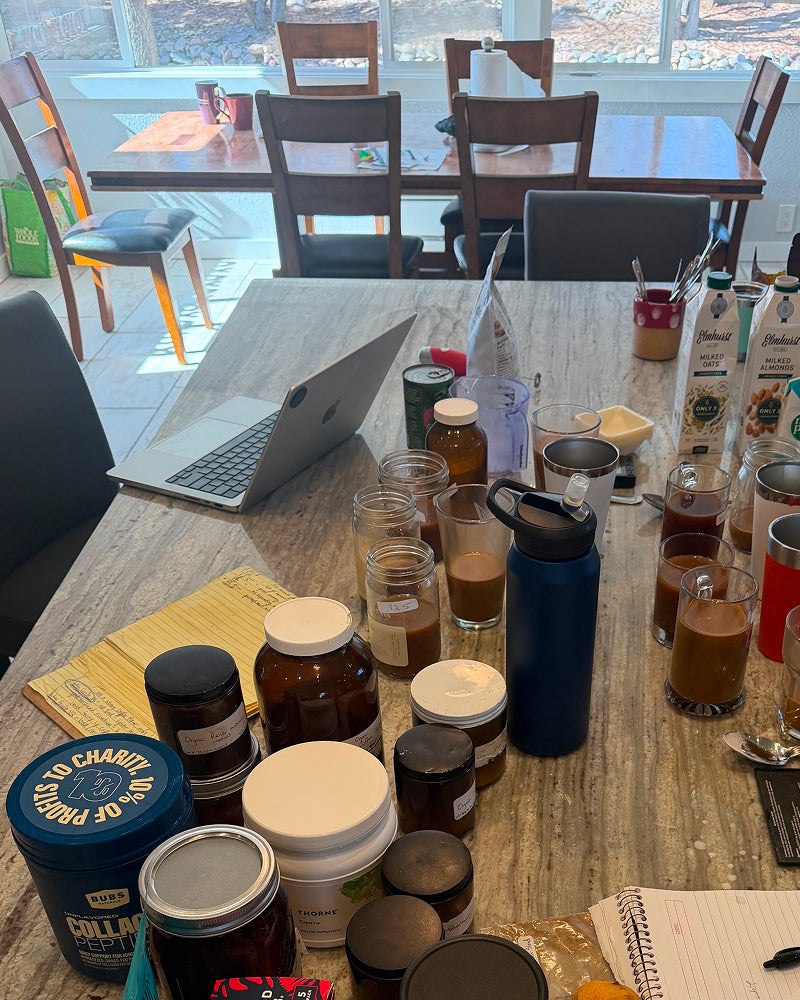
We've been making mushroom coffee for 14 years. And we've never had a problem sharing exactly what goes into it — every ingredient, every dose, every source. No secrets. So if you want to make it yourself, here's the full breakdown: 9 ingredients, what each one does, what to look for when you're buying, and what it'll realistically cost you each month.
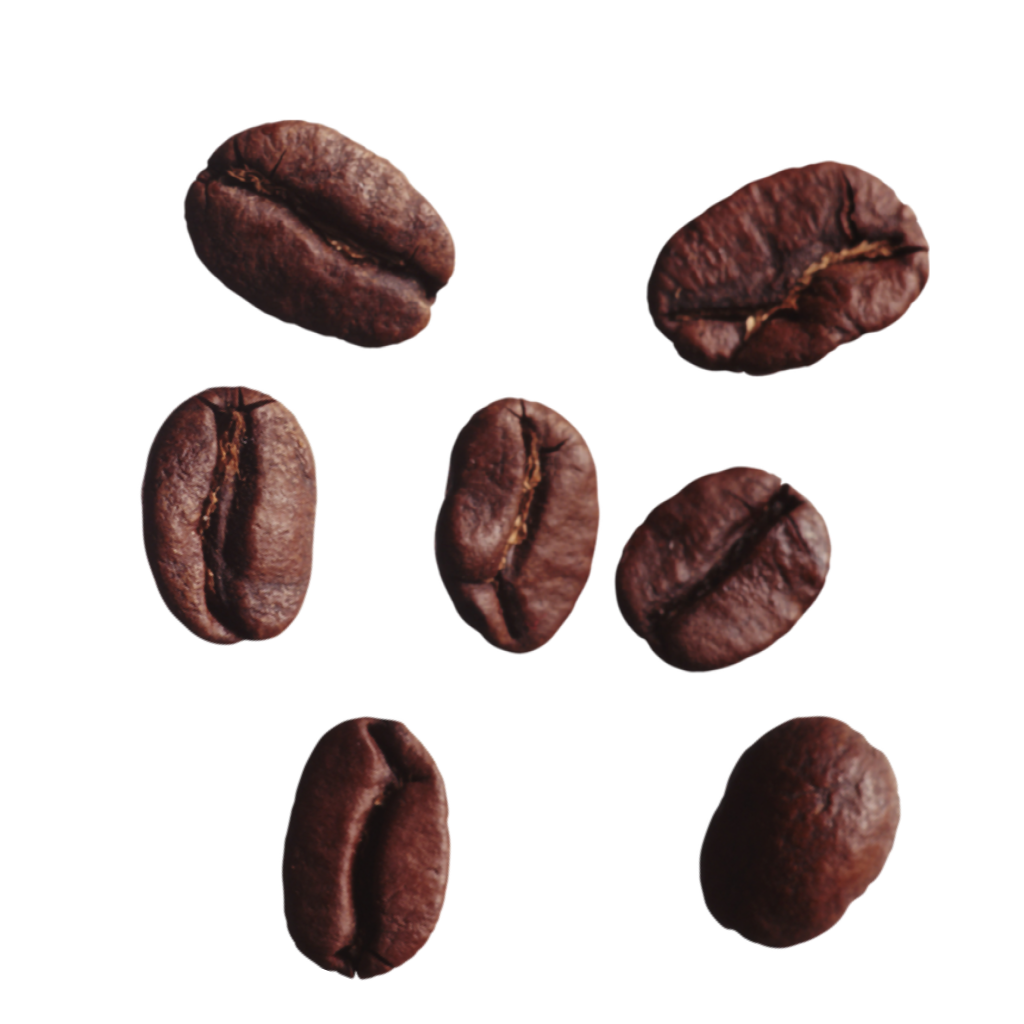
Organic Medium Roast Arabica Coffee
Why it's in the formula
Arabica is the foundation — smoother and less bitter than robusta, with a natural sweetness that pairs well with earthy mushroom extracts. Medium roast preserves more of the coffee's natural flavor while keeping acidity low enough not to overwhelm the functional ingredients.
What to look for
- USDA Organic certified
- Medium roast — dark roast masks the mushroom flavors
- Check the roast date; anything over 4 weeks old will taste stale
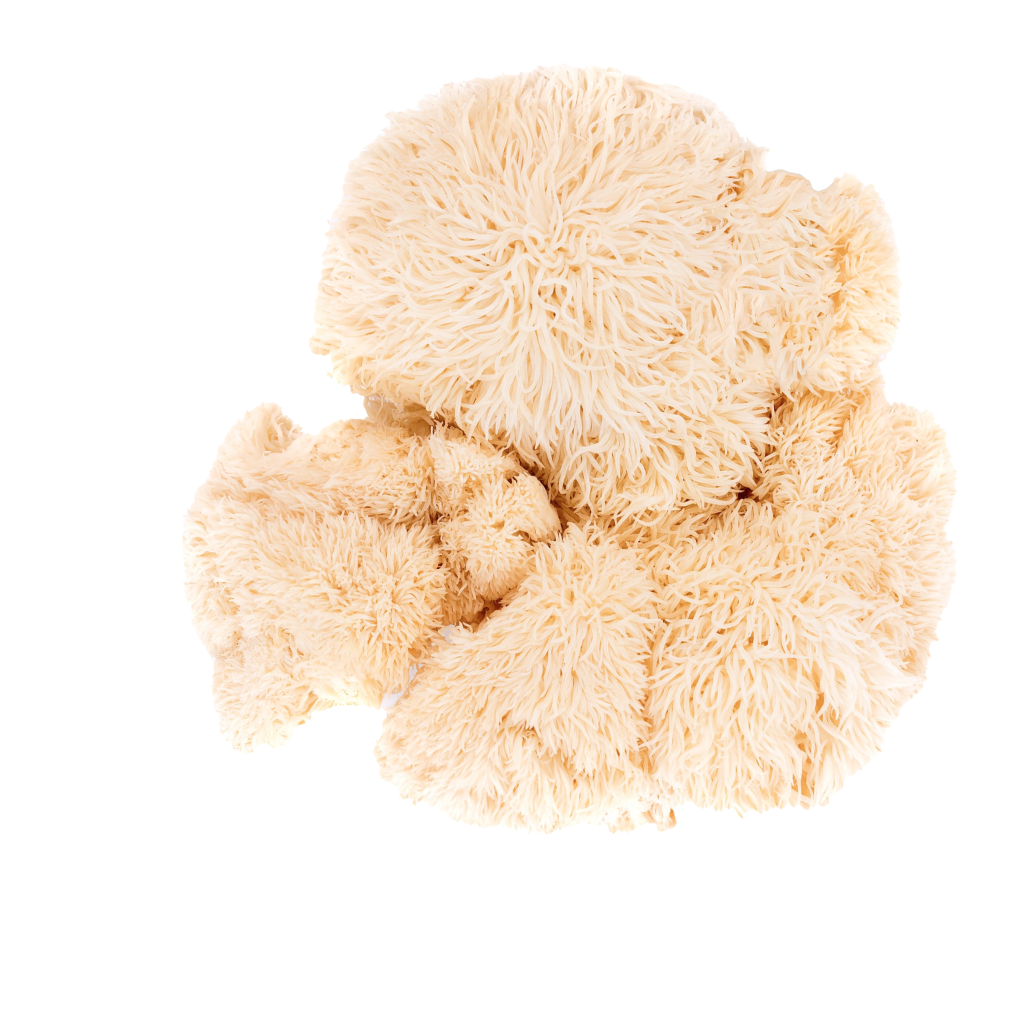
Organic Lion's Mane Extract (Fruiting Body)
Why it's in the formula
Lion's Mane contains hericenones and erinacines — two compounds that stimulate Nerve Growth Factor (NGF). NGF plays a direct role in neuroplasticity and cognitive clarity. Paired with caffeine, the result is sustained, clean focus without the jittery edge that comes from caffeine alone.
What to look for
- Fruiting body extract only — not mycelium on grain
- Beta-glucan content specified (at least 20%)
- USDA Organic certified
- Hot water extract — more bioavailable than raw powder
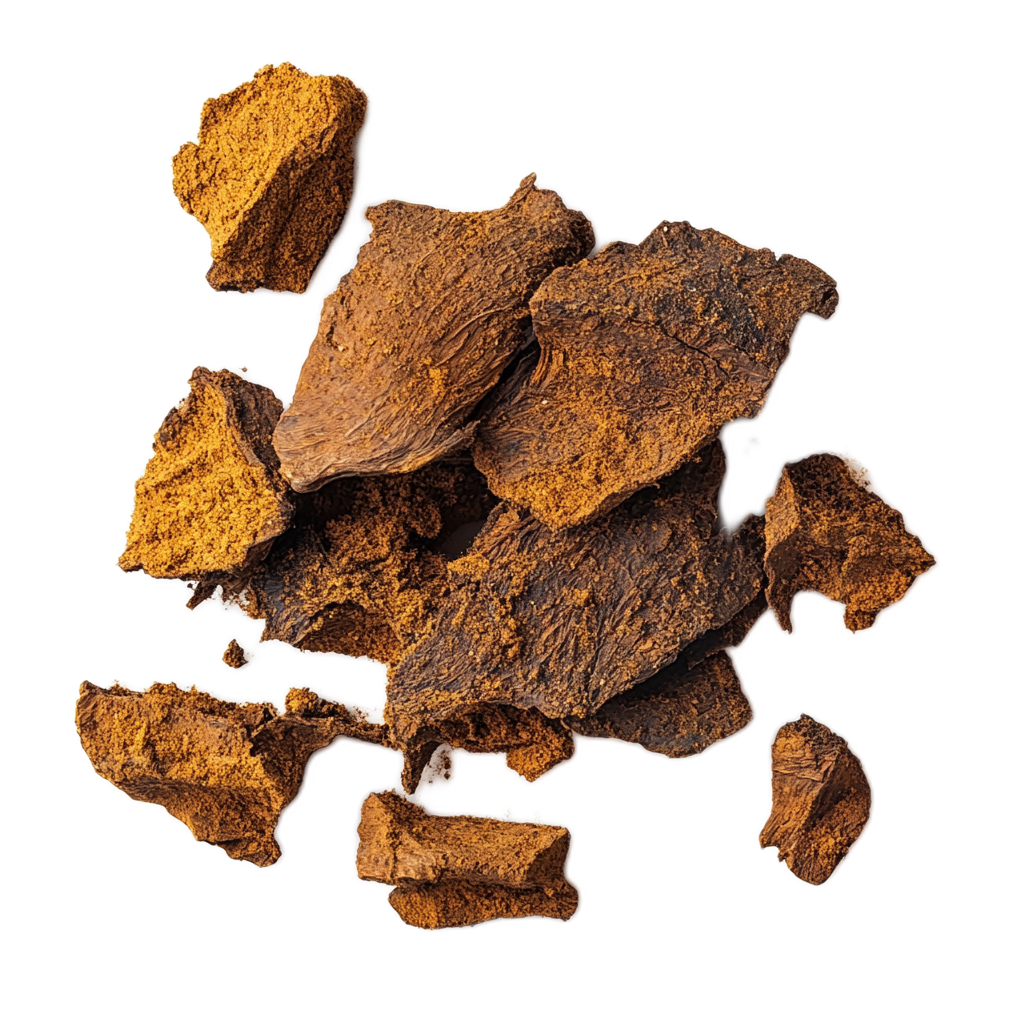
Organic Wildcrafted Chaga Extract
Why it's in the formula
Chaga is one of the highest antioxidant foods on the planet, rich in betulinic acid and melanin. It supports immune function and helps counterbalance the mild cortisol spike that caffeine triggers each morning. It also has a subtle, slightly vanilla-like flavor that blends naturally with coffee.
What to look for
- Wildcrafted from birch trees — farmed chaga has far fewer bioactives
- Dual extraction: hot water + alcohol
- Organic certified
- Avoid "chaga powder" with no extraction method specified
Organic Reishi Extract (Fruiting Body)
Why it's in the formula
Reishi is an adaptogen — it helps regulate the HPA axis, which controls your stress response. Used consistently, it takes the edge off caffeine-driven anxiety and supports deeper sleep. It doesn't make you drowsy; it smooths the ride. Traditional use spans over 2,000 years in Chinese medicine.
What to look for
- Fruiting body extract — mycelium lacks the key triterpenes
- Dual extract with verified beta-glucan content
- Red reishi (Ganoderma lucidum) — the most studied variety
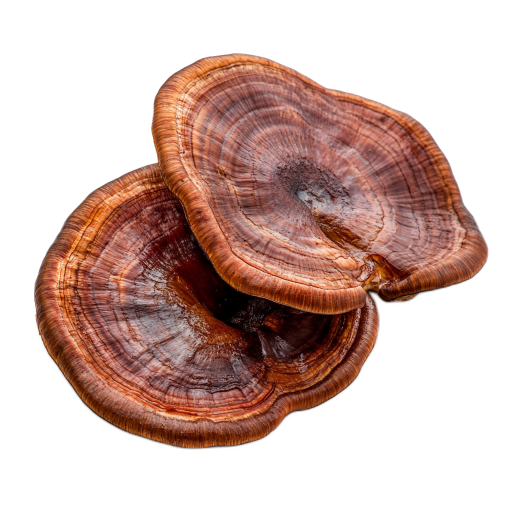
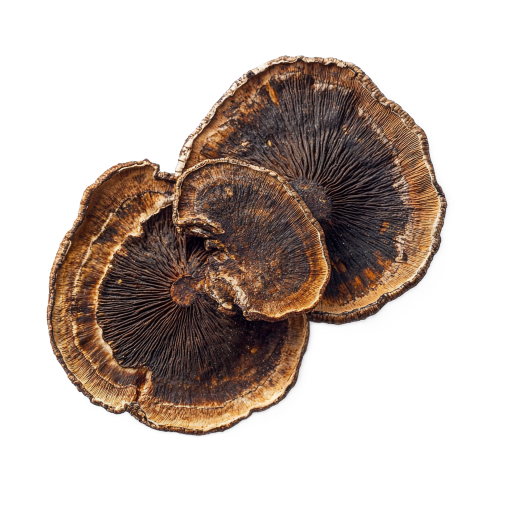
Organic Log-Grown Turkey Tail Extract
Why it's in the formula
Turkey Tail is one of the most well-researched medicinal mushrooms for gut and immune health. It contains polysaccharopeptide (PSP) and polysaccharide-K (PSK), both prebiotic compounds that feed beneficial gut bacteria. A healthy gut microbiome directly influences mood, immunity, and cognitive function.
What to look for
- Log-grown fruiting body — not mycelium on grain
- Verified PSK/PSP content on the label
- USDA Organic certified
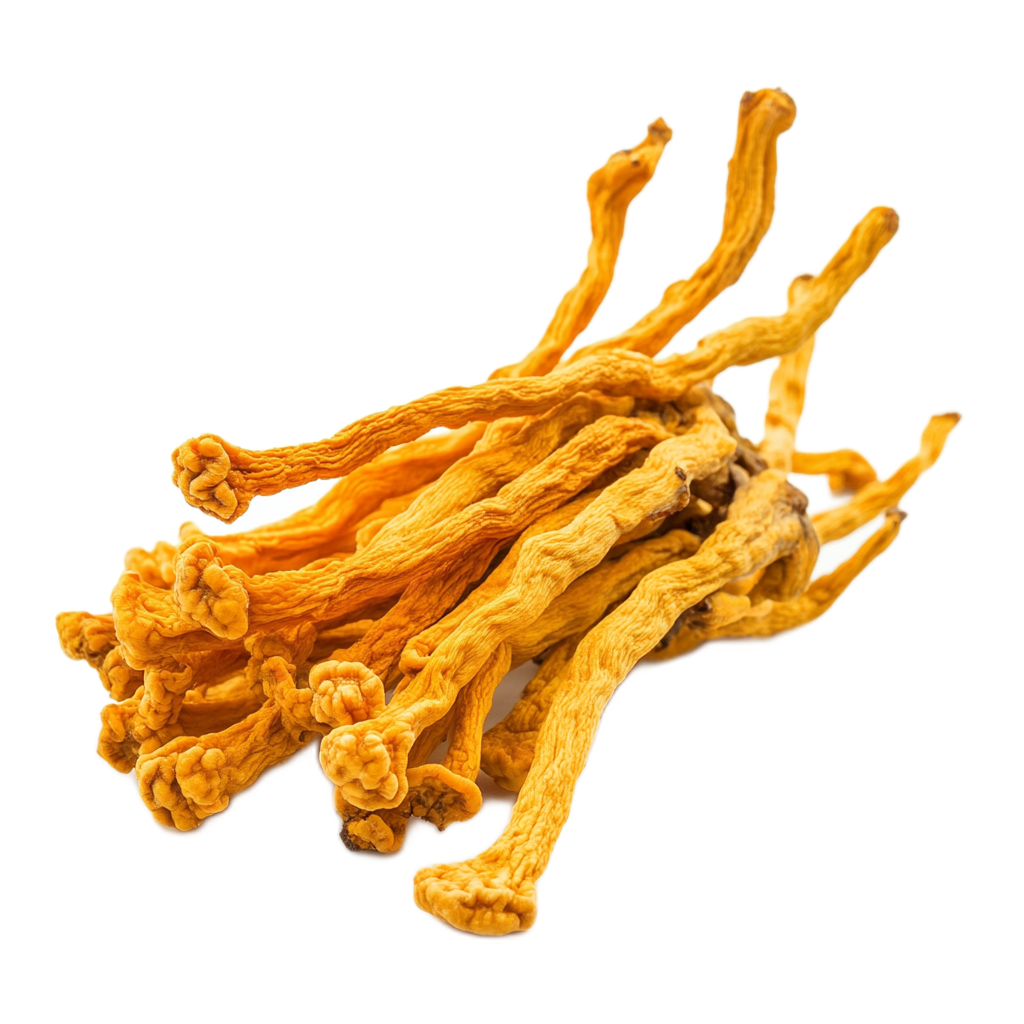
Organic Cordyceps Fruiting Body Extract
Why it's in the formula
Cordyceps supports ATP production — the cellular energy currency. Athletes have used it for decades to improve oxygen utilization and delay fatigue. In a morning coffee formula it adds a layer of sustained, physical energy that caffeine alone doesn't provide. It's what makes the cup feel different in your body, not just your head.
What to look for
- Cordyceps militaris fruiting body — not Cordyceps sinensis (too expensive, no benefit at normal doses)
- Verified cordycepin content
- USDA Organic certified
- Avoid mycelium products
Vitamin B12
Why it's in the formula
B12 is essential for energy metabolism and neurological function. Deficiency — common in plant-based eaters — causes fatigue, brain fog, and mood issues that look a lot like "needing more coffee." Including it in the morning ritual is a practical way to ensure consistent intake without adding another supplement to your routine.
What to look for
- Methylcobalamin — more bioavailable than cyanocobalamin
- Powder or capsule you can open and mix in
- 500–1000mcg dose is typical (absorption is inefficient at lower amounts)
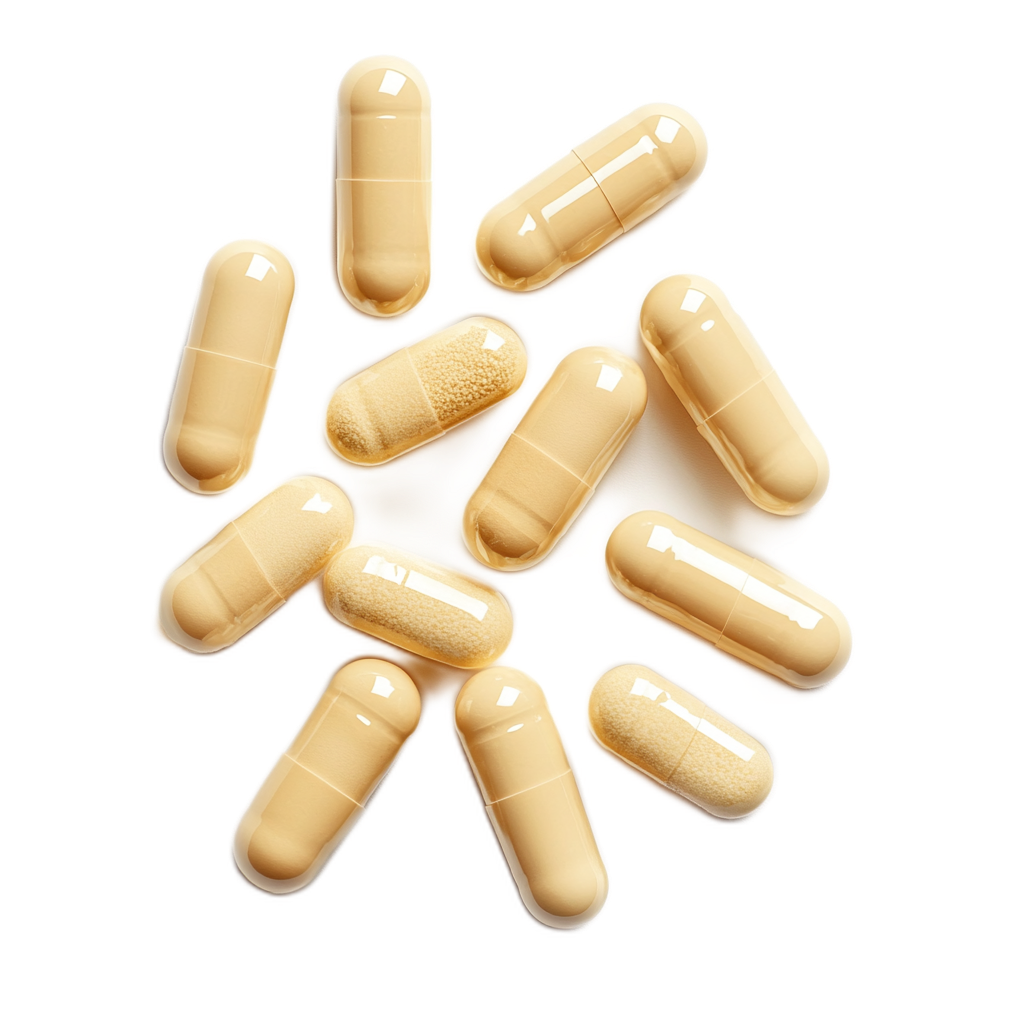
Probiotics — Bacillus subtilis DE111
Why it's in the formula
Most probiotic strains die in hot water. Bacillus subtilis DE111 is a spore-forming probiotic — it survives boiling, stomach acid, and bile. Clinical studies show it supports gut microbiome diversity and reduces digestive discomfort. It's the only probiotic strain worth including in a hot coffee formula.
What to look for
- Specifically DE111 — the patented, clinically studied strain
- Minimum 1 billion CFU per serving
- Shelf-stable packaging — no refrigeration needed
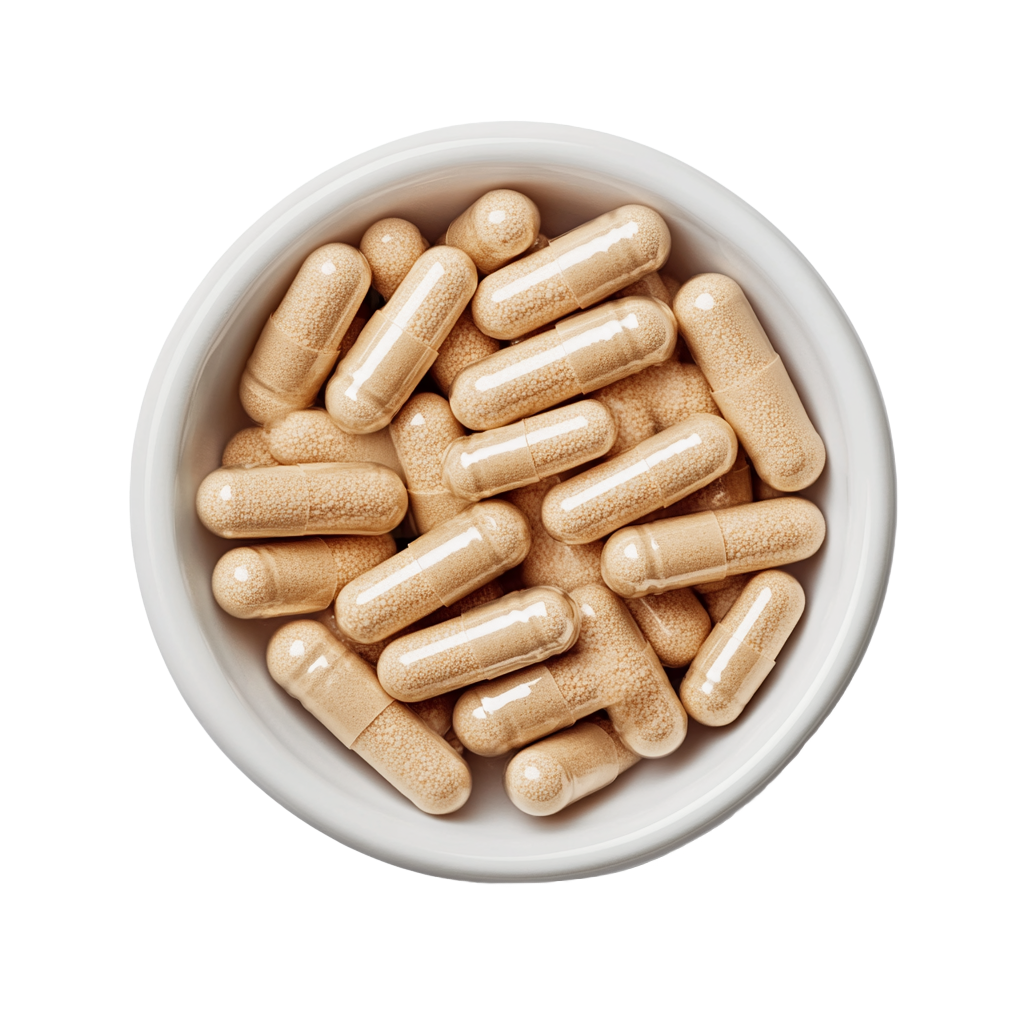
Organic Coconut Milk Powder
Why it's in the formula
Coconut milk powder rounds out the texture and flavor — it adds a natural creaminess that makes the blend drinkable without separate milk or creamer. The medium-chain triglycerides (MCTs) in coconut also provide a quick, clean energy source that complements the caffeine and mushroom extracts.
What to look for
- USDA Organic, no added sugars
- No maltodextrin as a filler
- Ingredients list should be mostly coconut milk — minimal additives
- Spray-dried is standard and works fine
What It Actually Costs
| Ingredient | Monthly Cost |
|---|---|
|
$12–$20 |
|
$25–$40 |
|
$20–$35 |
|
$22–$38 |
|
$20–$35 |
|
$25–$45 |
|
$8–$15 |
|
$15–$25 |
|
$10–$18 |
| Total estimated monthly DIY cost | $157–$271 |
A few things worth knowing
Sourcing 9 separate organic, fruiting-body-only mushroom extracts takes real time. The quality gap between suppliers is significant — a cheap lion's mane product can be mostly grain starch with trace amounts of actual mycelium. Verifying what you're actually getting requires reading third-party lab reports, not just labels. And at $157–$271 a month before you've even touched anything, the budget adds up fast. None of this makes DIY impossible — but it's not a weekend project.
Or skip the sourcing.
All 9 ingredients. No hassle. A fraction of the $157–$271 DIY cost.
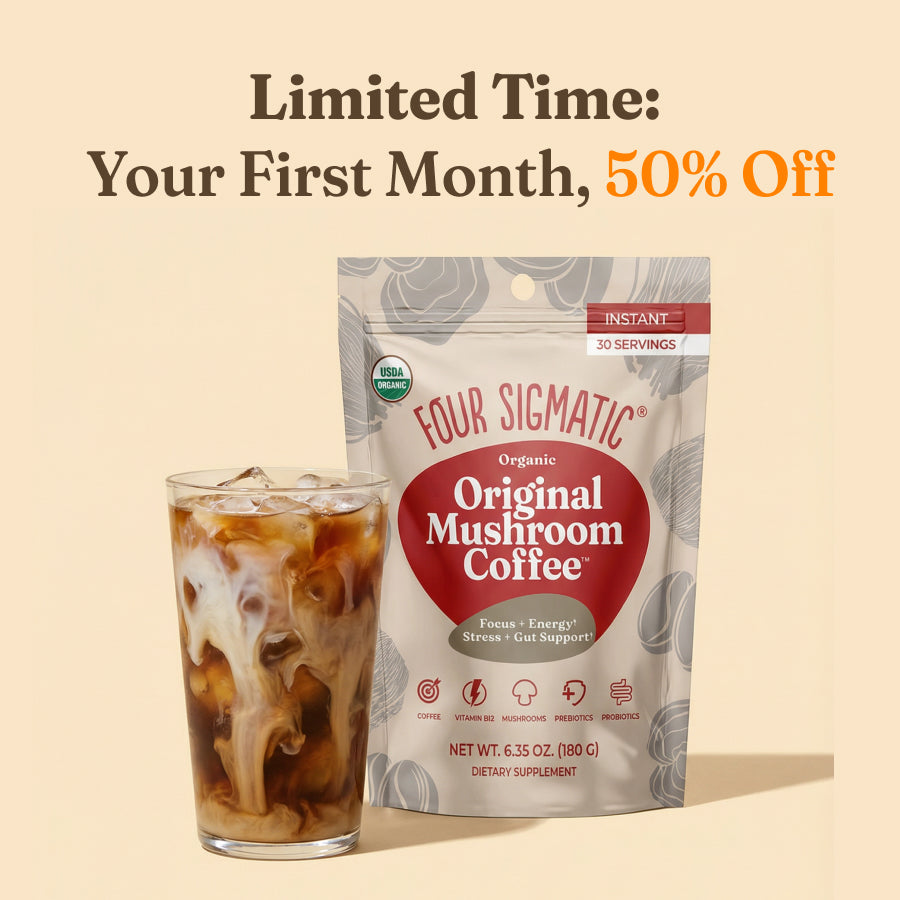
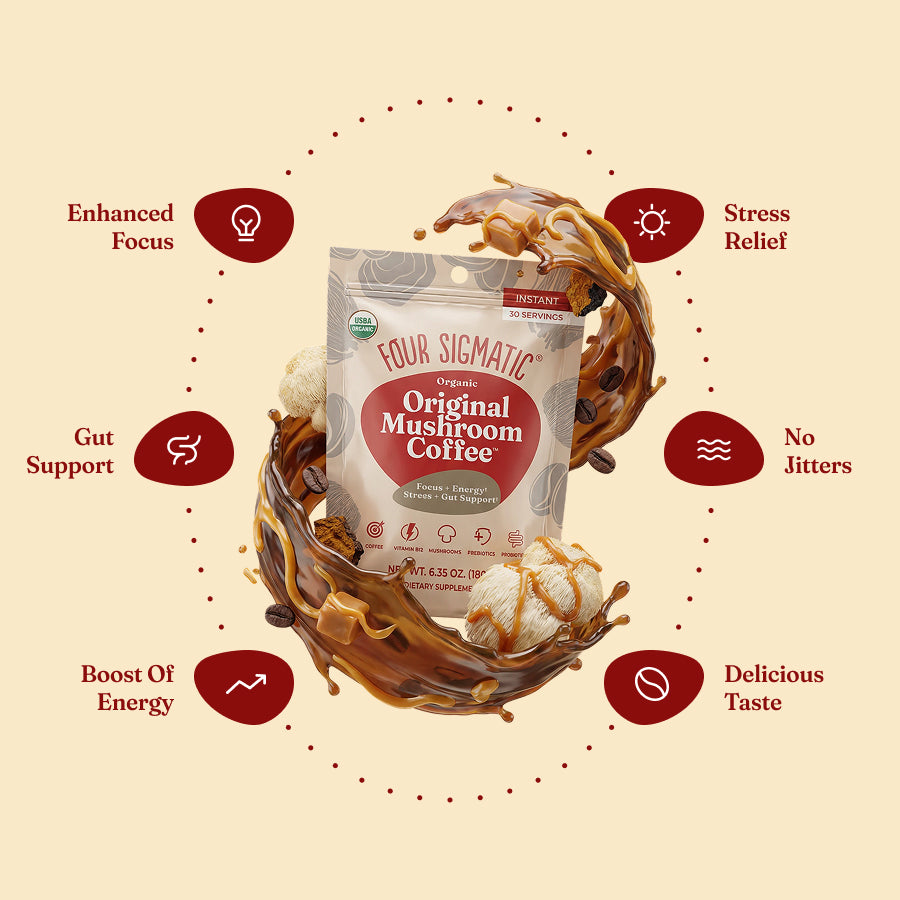
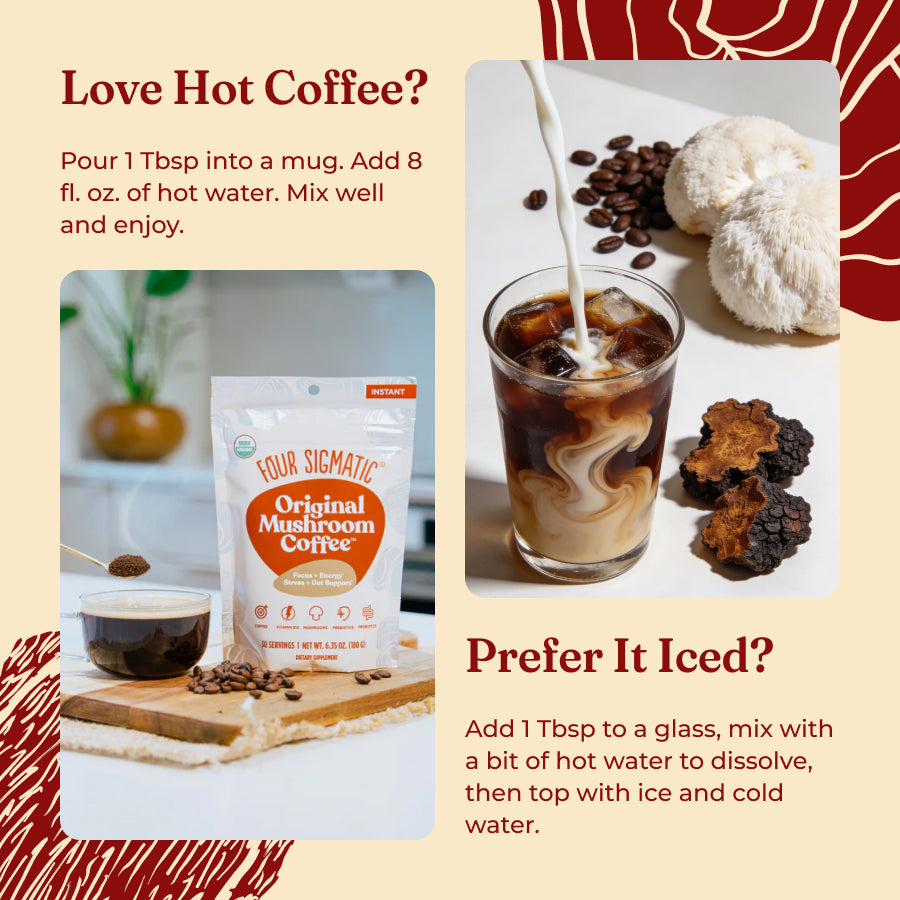
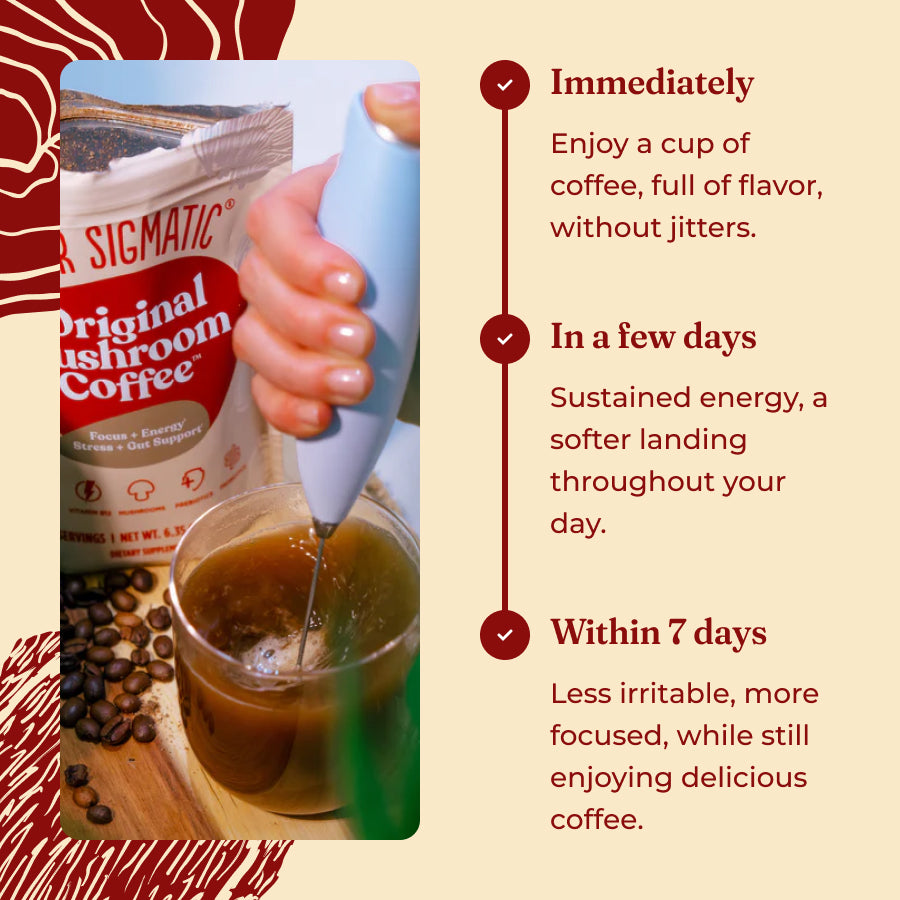
Original Mushroom Coffee™
Organic, fruiting body only, third-party tested — already balanced and in one bag.
Subscribe — 50% Off Today$40 Refill Ships Every 30 Days · Cancel Anytime
 60-Day Guarantee
 USDA Organic